

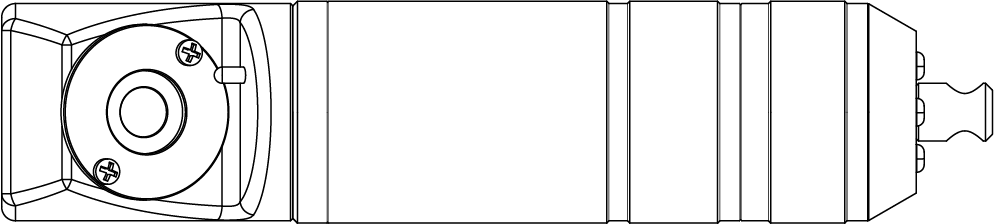
D-OPTO
D-OPTO
Dissolved Oxygen Sensors and Loggers
The D-Opto range is a field-proven family of optical Dissolved Oxygen instruments designed for long-term monitoring in streams, rivers, lake environments. With excellent stability and low power consumption, D-Opto instruments provide accurate dissolved oxygen and temperature measurements.
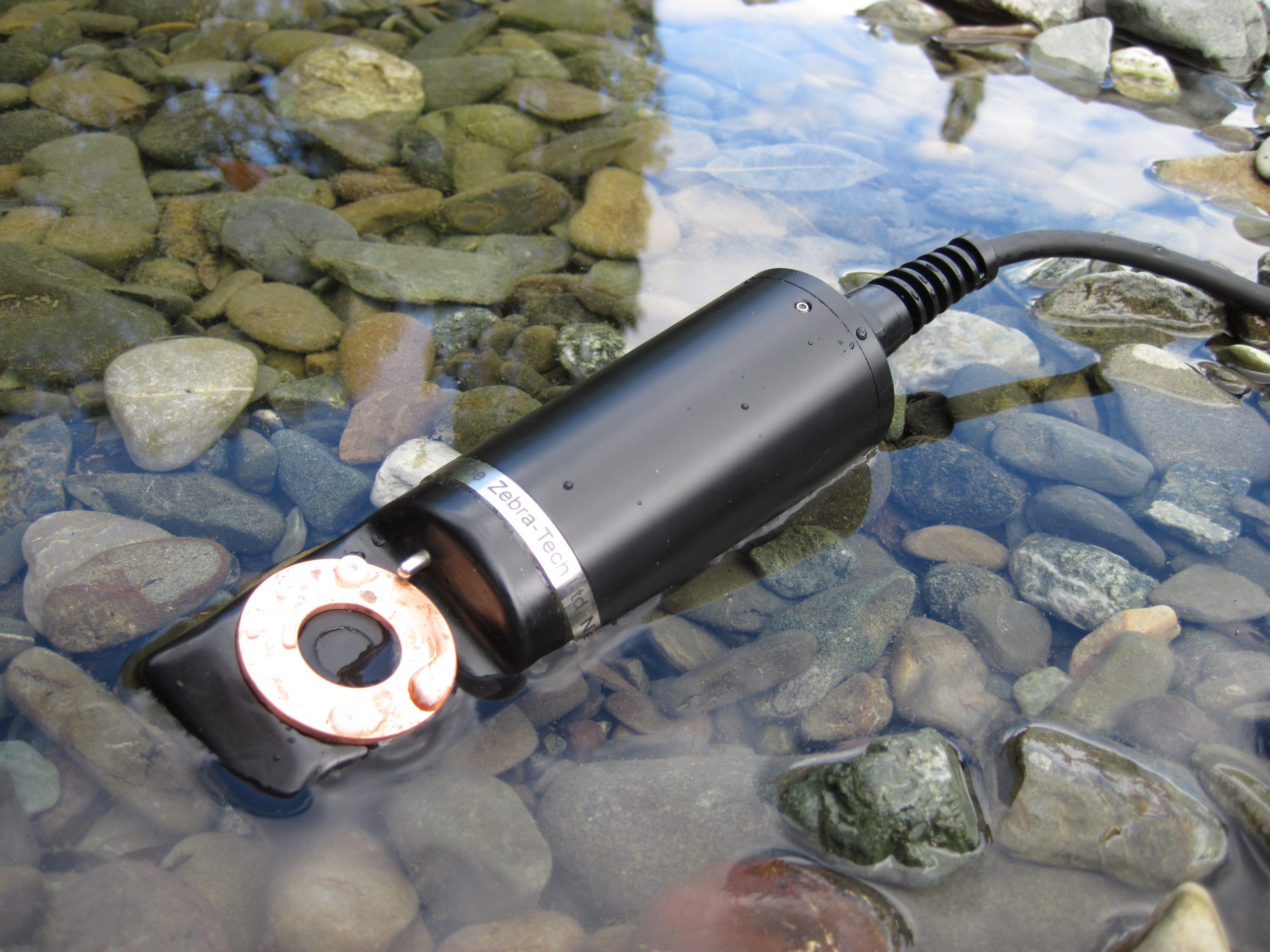
Trusted by local governments, research institutes, water authorities and universities worldwide, the D-Opto Sensor measures dissolved oxygen without consuming oxygen during sampling, allowing accurate measurements in still water. A copper ring around the optical window helps minimize bio-fouling.
The range includes the SDI-12 D-Opto Sensor and the self contained D-Opto Logger.
D-Opto Sensor
Reliable Dissolved Oxygen Monitoring for Environmental Deployments
The D-Opto Sensor provides reliable Dissolved Oxygen monitoring for environmental research and long-term field deployments.
No oxygen is consumed during sampling, so it can therefore be used in still water without compromising accuracy.
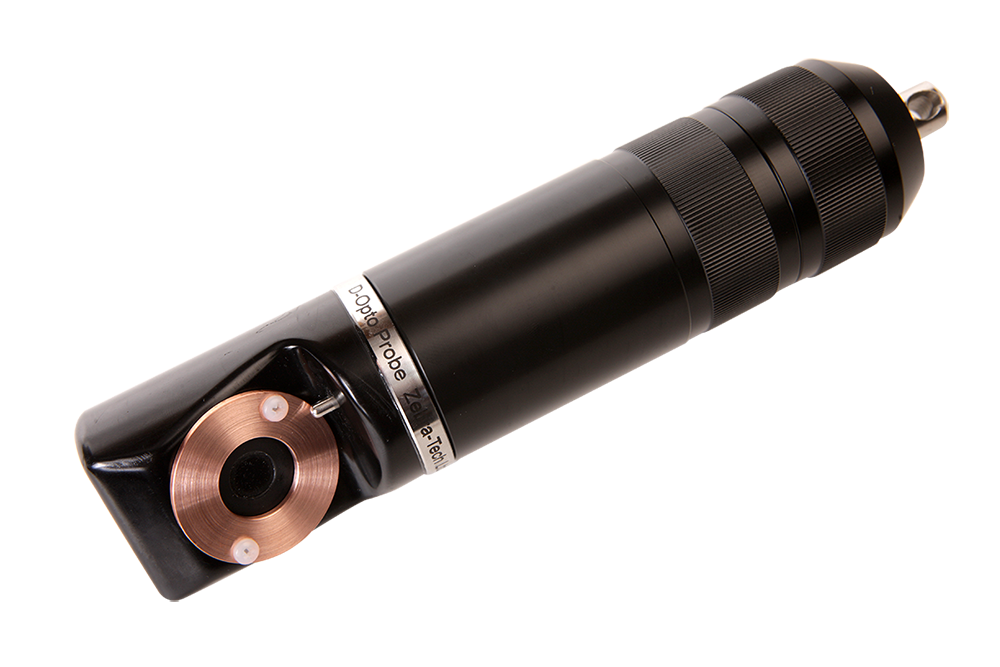
The D-Opto has a copper ring surrounding the optical window to reduce bio-fouling. For situations where bio-fouling is extreme, the D-Opto can be fitted with the optional D-Opto Shutter system.
Technical Specifications
- Measures temperature, dissolved oxygen saturation and dissolved oxygen content
- SDI-12 signal output
- Excellent long-term stability
- Low power consumption
- Simple calibration procedure
- Copper anti-fouling ring around the optical window
- 30 meter depth rating
- No consumables
D-Opto Logger
The D-Opto Logger is a fully self-contained dissolved oxygen logger
Simple to operate and easy to deploy, the D-Opto Logger can endure long field deployments between servicing.
The field replaceable 9-volt standard battery and simple software with data graphing function makes field servicing and data downloading quick and straightforward.
The D-Opto Logger can record 10,000 data records into non-volatile memory.
Each data record consists of the time and date, battery voltage, dissolved oxygen percent saturation and content (PPM) and temperature. Depending on the logging interval, the battery endurance can last over 100 days.